What Happens During a Disaster Response Setup?
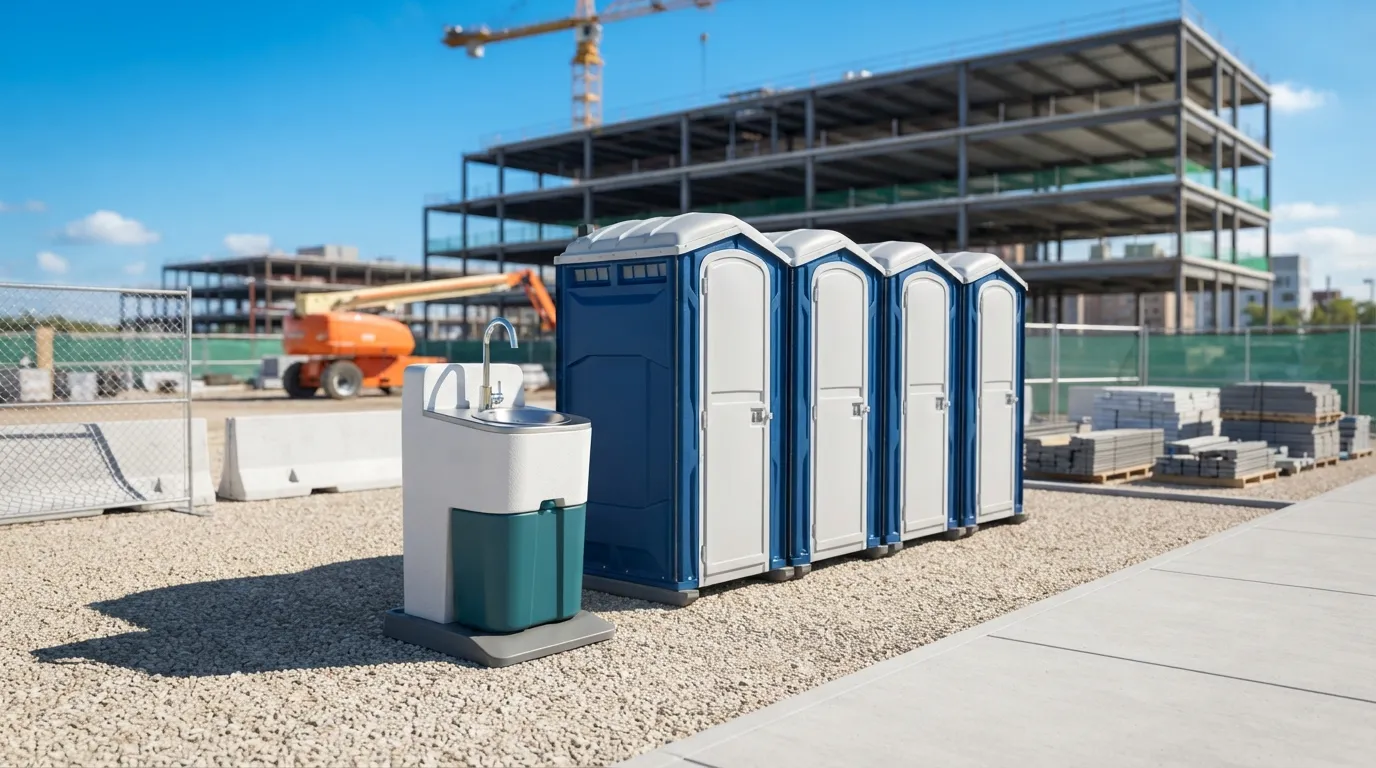
A disaster does not care about your normal delivery schedule, and neither do we once the call comes in. Cathedral City Porta Pros treats emergency porta potty rental requests differently from a standard event booking: trucks get rerouted, units get pulled from reserve stock, and delivery crews go straight to the affected block. A standard portable toilet needs a footprint of about 44 by 48 inches on the ground and stands roughly 92 inches tall, which matters when crews are setting units on gravel lots, church parking areas or open ground near a shelter. Roll-off trucks bringing debris containers need about 60 feet of straight clearance behind the vehicle, so our dispatchers ask about driveway length and overhead lines before the truck ever leaves the yard. If a water main breaks or a well goes down, OSHA 1926.51(a)(1) still requires an adequate supply of potable water for anyone working the site, which is why handwashing station rental and portable sink rental orders often ride along with the toilets on the same truck. We serve Cathedral City directly, and our response radius reaches Palm Springs 7.1 miles southwest, Rancho Mirage 7.3 miles south, and Desert Hot Springs 11.6 miles northwest, so a regional disaster does not strand crews without coverage. For debris cleanup once the immediate crisis passes, see roll-off dumpster rental and what cannot go in a dumpster before loading anything hazardous.
How Many Units Does a Shelter or Relief Site Need?
Headcount drives the number, not guesswork. OSHA 1926.51(c)(1) sets the baseline most emergency planners lean on: one toilet facility for 20 workers or fewer, then one toilet seat and one urinal per 40 workers as the crew grows past that, dropping to one per 50 once you cross 200 people. A relief site staffed by volunteers and paid crews together should count everyone on the property, not just the official responders. Our how many porta potties do I need guide walks through the math for mixed crowds, and our OSHA portable toilet requirements page breaks the ratio down further. Accessibility does not get waived during an emergency. ADA Standards section 213.2 requires that at least 5 percent of clustered single-user units be accessible, with a minimum of one, so any shelter deployment of size should include an ADA accessible porta potty from the first delivery, not as an afterthought. That unit needs a 60 inch turning circle under ADA 304.3.1 and a clear route at least 36 inches wide per ADA 403.5.1, so site layout matters even when the ground is mud or gravel. For larger displaced populations, a restroom trailer rental or an 8 stall restroom trailer covers more people per delivery than stacking single units, and a shower trailer rental becomes worth discussing once people are sheltering on site for more than a few days.
Can Septic and Water Systems Fail During a Disaster?
Yes, and when they do, a failed septic system turns a shelter into a health hazard fast. Flooding, ground shift or a cracked line can knock a residential system offline with no warning, and a typical 1,000 gallon tank that would normally get pumped every 3 to 5 years may need emergency pumping regardless of schedule. Cathedral City Porta Pros runs emergency septic service alongside sanitation deliveries so a failed tank does not become a second crisis on top of the first. Our septic pumping service crews carry standard pumping equipment and can also drop a holding tank rental as a bridge while a system gets repaired. Restaurants and shelters running temporary kitchens should watch grease buildup too: a grease interceptor needs pumping once fats, oils, grease and solids reach 25 percent of the liquid depth, and our grease trap pumping page covers that in more detail. Anyone unsure whether their tank is failing versus just overdue can check septic tank warning signs or how often to pump a septic tank for the normal interval. Once water service and sanitation are stable again, cleanup crews clearing storm debris across Cathedral City often need a construction dumpster rental or a 10 yard dumpster rental for smaller residential loads, and a temporary fence rental to secure a damaged structure until repairs start.
How fast can units arrive after an emergency call?
Dispatch moves the same day whenever possible, sometimes within hours depending on truck availability and road access. Response time depends on how many units are needed and where the site sits relative to our yard. Call ahead with an address and headcount so routing starts immediately rather than after a callback.
Do disaster relief sites need accessible units too?
Yes. ADA Standards section 213.2 does not pause during an emergency, so any cluster of units still needs at least one accessible unit, five percent minimum. Shelters serving elderly or disabled residents should request accessible units first, not last, when placing the order.
What if there is no running water on site?
Standard units do not need plumbing, which is exactly why they work for disaster response. A portable sink rental or hand sanitizer station covers washing needs per 29 CFR 1910.141(d)(2), which requires soap and towels rather than sanitizer alone for compliant handwashing.
Can you service units daily during an extended shelter operation?
Yes, service frequency scales with the crowd. ANSI/PSAI Z4.3 sets one weekly visit as the baseline for light use, but shelter-level traffic usually needs daily or near-daily pumping and restocking, which we schedule directly with on-site coordinators.
Do you deliver debris containers alongside restrooms?
Yes. Many relief sites need both at once. A roll-off dumpster rental can arrive on the same run as portable restrooms, and our crews coordinate placement so neither blocks emergency vehicle access.
Next step
Get a delivery date
Tell us the address, the dates and the headcount. We size the order and confirm the route.